When the Founder Steps Back: Succession Crossroads for Japan's Aging US Enterprises
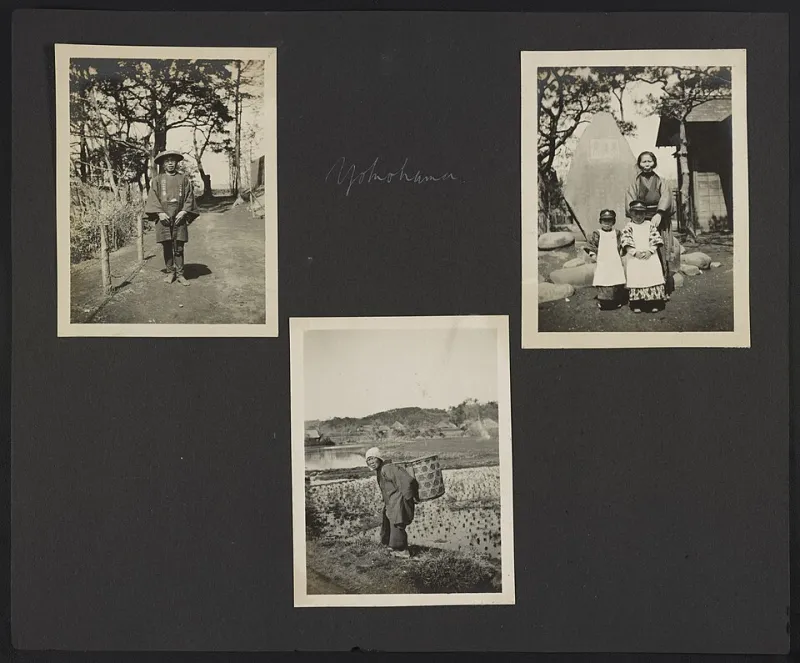
Photo: Pringle, James Maxwell, photographer, Public domain, via Wikimedia Commons
Walk through the industrial corridors of Torrance, California, or the warehouse districts outside Chicago, and you will find them: mid-sized Japanese-owned firms—trading houses, precision fabricators, food importers, logistics providers—established during the great wave of Japanese investment that crested between the late 1970s and the mid-1990s. Their founders are now in their seventies and eighties. And a question that was easy to defer for decades can no longer be postponed: who takes over?
A Generation Built, a Generation Hesitates
The founders of these companies came to the United States with little more than determination and a Rolodex of contacts back home. Many arrived as expatriate employees of larger Japanese corporations and struck out on their own; others followed family trading traditions across the Pacific. Their businesses were built on issho-kenmei—a wholehearted, single-minded devotion to the work—and on relationships cultivated over decades of dinners, site visits, and handshakes sealed without lawyers present.
That model presents an awkward problem at succession time. The company's most valuable asset is often not its equipment or inventory but the founder's personal credibility within a web of Japanese suppliers, American customers, and community banks. That credibility does not transfer automatically.
The Heir Apparent May Live in Two Worlds
For some owners, the natural successor is a child raised in America—educated at US universities, fluent in English-language business culture, and often more comfortable with spreadsheets and term sheets than with the consensual, relationship-first style of the founding generation.
This creates a quiet tension familiar to any immigrant business community. The American-born heir may see modernization opportunities the founder resists: digital procurement, e-commerce channels, professional managers instead of family loyalists. The founder, meanwhile, worries that the relational capital—the years of favors and mutual obligations with Japanese partners—will be discounted or discarded by a successor who never understood its currency.
Some families split the difference. One sibling manages US operations while another remains in Japan handling supplier relations. Others hire non-family presidents with explicit mandates to preserve the founder's partner relationships, a arrangement that works well until the founder's health fails and decisions must be made without the tiebreaking voice.
Outside Buyers See Undervalued Assets
Not every succession ends within the family. Private equity groups and strategic acquirers—both American and Japanese—have grown interested in these legacy firms. From a buyer's perspective, they are attractive: stable customer bases, defensible niches in specialty components or import distribution, and real estate purchased decades ago at prices that now look like tycoon-era bargains.
But acquisition introduces its own friction. Japanese suppliers who dealt only with the founder may reevaluate the relationship under new ownership. Employees hired on an implicit lifetime-commitment ethos often leave when an acquirer's first act is a performance review. The premium a buyer pays for 'customer relationships' can evaporate if those relationships were personal rather than institutional.
What Survival Looks Like
The firms that navigate this transition successfully tend to share three traits.
First, they institutionalize relationships early. Introducing successors to key partners years before the handoff—joint visits, co-signed contracts, shared dinners—converts personal trust into organizational trust.
Second, they document the unwritten. The founder's judgment calls on quality exceptions, credit extensions, and partner disputes exist mostly in memory. Firms that write down decision principles before the transition preserve judgment, not just assets.
Third, they let the successor reinterpret rather than replace. The most durable handoffs treat the founding ethos as a foundation to build on, not a museum piece to preserve. A second-generation president can modernize the warehouse management system while still answering a supplier's midnight call—honoring the old obligation in a new operational language.
A Broader Signal for the Region
For American communities hosting these businesses, the stakes are concrete: jobs, supplier contracts, and commercial real estate tenancy. Local economic development offices would do well to treat succession—not expansion or relocation—as the primary retention risk facing Japanese-owned firms in their jurisdictions.
The founding generation built something durable. Whether it endures will depend less on balance sheets than on whether the next generation—and their advisors—understand what was actually being handed to them.