Sourcing Authentic Japan: A Regional Directory of Japanese Food Importers and Specialty Suppliers Across the United States
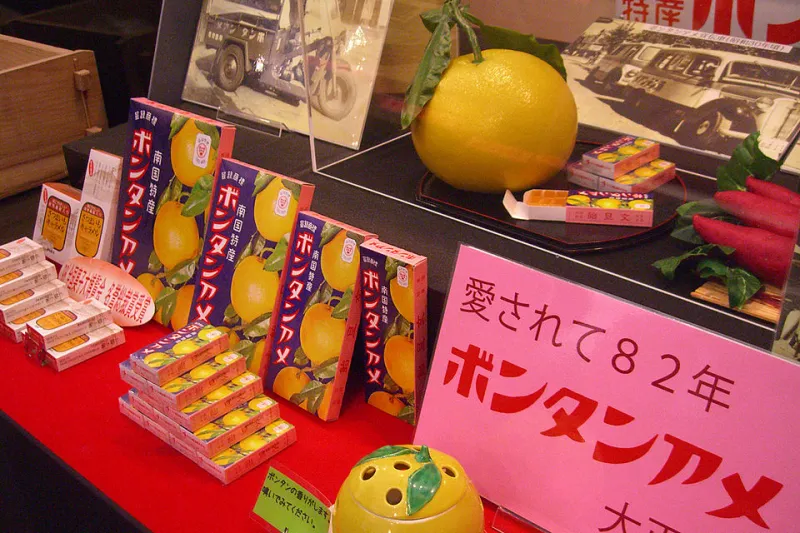
Photo: hashi photo, CC BY 3.0, via Wikimedia Commons
American appetite for genuine Japanese cuisine has shifted from trend to fixture. Ramen shops, omakase counters, izakayas, and Japanese-inspired grocery sections have become permanent features of the culinary landscape in cities large and small. Behind every bowl of properly prepared tonkotsu broth or slice of toro-grade tuna lies a supply chain that connects American kitchens to Japanese producers — and the businesses that manage that chain are among the most specialized and essential in the food industry.
For restaurant operators, specialty retailers, and dedicated home cooks, finding reliable sources of authentic Japanese ingredients is both a priority and a challenge. Kadouya Directory has compiled this regional guide to help buyers across the country identify reputable importers, distributors, and specialty food suppliers who carry genuine Japanese products with the provenance and quality to match.
What Distinguishes a True Japanese Food Supplier
Before exploring the directory, it is worth clarifying what separates a genuine Japanese food supplier from a general Asian grocery distributor. Authentic Japanese food importers typically maintain direct relationships with producers in Japan — whether that means a miso brewery in Aichi Prefecture, a sake producer in Niigata, or a kombu harvester in Hokkaido. They navigate Japanese export regulations, US Customs requirements, and FDA food safety standards to bring products to American buyers without compromising the integrity of the original goods.
Many also serve as cultural intermediaries, educating chefs and buyers on proper usage, storage, and the stories behind the products they carry. This educational dimension is increasingly valued by American culinary professionals who want to present Japanese cuisine with accuracy and respect.
West Coast: The Gateway Region
California, Washington, and Oregon have historically served as the primary point of entry for Japanese food imports into the United States, owing to their Pacific port infrastructure and large Japanese-American communities.
Mutual Trading Co. (Los Angeles, CA) Founded in 1926, Mutual Trading is one of the oldest and most comprehensive Japanese food importers in the country. The company supplies restaurants and retailers across the West Coast with a portfolio that includes sake, shochu, soy sauce, mirin, dried goods, seafood, and specialty condiments. Their annual sake and shochu expo has become a significant trade event for beverage professionals. Contact and ordering information is available through their Los Angeles headquarters.
True World Foods (Multiple West Coast Locations) Specializing in fresh and frozen seafood of Japanese origin, True World Foods operates distribution centers in Los Angeles, San Francisco, and Seattle. The company is particularly well regarded among sushi restaurants for its sourcing of premium tuna, yellowtail, and seasonal Japanese fish species. Their cold chain infrastructure maintains product quality from Japanese waters to American kitchens.
Umami Insider / Pacific Foods of Oregon (Portland, OR) This Pacific Northwest supplier focuses on fermented and artisan Japanese pantry staples, including aged soy sauces, specialty vinegars, and small-batch misos. They have developed a strong following among farm-to-table chefs who prioritize ingredient transparency and producer relationships.
Midwest: A Growing Hub for Japanese Culinary Imports
Chicago and its surrounding region have developed a surprisingly robust Japanese food supply network, driven by the city's diverse restaurant industry and a growing community of Japanese expatriates.
JFC International (Chicago Distribution Center) JFC International, a subsidiary of Kikkoman, is one of the largest distributors of Japanese and Asian food products in the United States. Their Chicago facility serves restaurants and grocery retailers throughout the Midwest with a broad catalog that includes noodles, sauces, rice, snacks, and beverages. JFC is a practical first-call supplier for operations seeking volume and reliability.
Tensuke Market (Columbus, OH) A beloved regional institution, Tensuke Market serves as both a retail grocery and a wholesale source for Japanese ingredients in central Ohio. The store carries imported Japanese produce when available, as well as a curated selection of pantry items, fresh tofu, and prepared foods. Independent restaurants in the Columbus area frequently source specialty items here that are unavailable through larger distributors.
Hana Japanese Food (Minneapolis, MN) Serving the Twin Cities and surrounding states, Hana Japanese Food focuses on restaurant supply, offering imported rice varieties, specialty noodles, and a rotating selection of seasonal Japanese products. The company has built strong relationships with local Japanese restaurant operators and provides personalized service that larger national distributors often cannot match.
Northeast: Sophistication and Specialty
New York City functions as the East Coast's primary hub for premium Japanese food imports, with a concentration of importers serving the city's dense population of high-end Japanese restaurants, specialty retailers, and discerning consumers.
Korin (New York, NY) While Korin is best known as a premier source of Japanese knives and kitchen equipment, the company also serves as an important connector to Japanese culinary culture for American chefs. Their team regularly facilitates introductions between US buyers and Japanese artisan food producers, making them a valuable relationship resource even for buyers whose primary need is ingredients rather than tools.
World Centric / Umi Sake House Importers (New York, NY) Several boutique sake importers operate out of New York, serving both the city's restaurant community and retail accounts across the Northeast. Companies such as Joto Sake, Vine Connections, and Mutual Trading's East Coast arm bring regionally specific sake from small and mid-size Japanese breweries that would otherwise have no American distribution. For restaurants seeking to develop a serious sake program, these importers offer not just product but education and pairing guidance.
Katagiri (New York, NY) One of Manhattan's oldest Japanese grocery institutions, Katagiri has operated on the Upper East Side since 1907. While primarily a retail operation, Katagiri maintains wholesale relationships and is frequently cited as a source for hard-to-find Japanese pantry items, including specialty pickles, regional snack foods, and imported confections.
South and Southeast: Emerging Markets
The American South has seen meaningful growth in Japanese restaurant openings over the past decade, and the supply infrastructure is beginning to catch up.
Nishimoto Trading Co. (Atlanta, GA) With distribution reaching across the Southeast, Nishimoto Trading supplies Japanese and Asian food products to grocery retailers and food service operators in Georgia, Florida, Tennessee, and neighboring states. Their catalog emphasizes shelf-stable pantry goods, frozen items, and beverages.
H Mart (Multiple Southeast Locations) Though primarily a Korean-American supermarket chain, H Mart's Southeast locations carry a substantial selection of Japanese imported products and serve as a practical sourcing option for smaller restaurant operators in markets where dedicated Japanese distributors have limited reach.
Tips for Buyers Working with Japanese Food Suppliers
Regardless of region, buyers working with Japanese food importers should keep several practical considerations in mind:
- Minimum order requirements vary significantly between suppliers. Boutique importers may offer smaller minimums suited to independent restaurants, while national distributors typically require larger volume commitments.
- Lead times for specialty imports from Japan can range from two to eight weeks depending on the product category and shipping method. Planning seasonal menus around imported ingredients requires advance coordination.
- Cold chain integrity is critical for fresh seafood and refrigerated fermented products. Verify storage and transport standards before committing to a supplier.
- Regulatory documentation for imported food products, including FDA registration and country-of-origin labeling, should be confirmed with any new supplier before placing orders.
A Living Resource
The Japanese food import industry in America is dynamic. New importers enter the market regularly, and established players expand their geographic reach as demand grows. Kadouya Directory will continue to update this regional guide as the landscape evolves. Businesses operating in the Japanese food import and distribution space who wish to be listed in our directory are encouraged to contact our editorial team directly.
For restaurants, retailers, and culinary professionals seeking authentic Japanese ingredients, the suppliers listed here represent a starting point — a curated map of the businesses working to bring the flavors of Japan to American tables with integrity and care.