A Buyer's Field Guide: Locating and Vetting Credible Japanese Suppliers in the United States
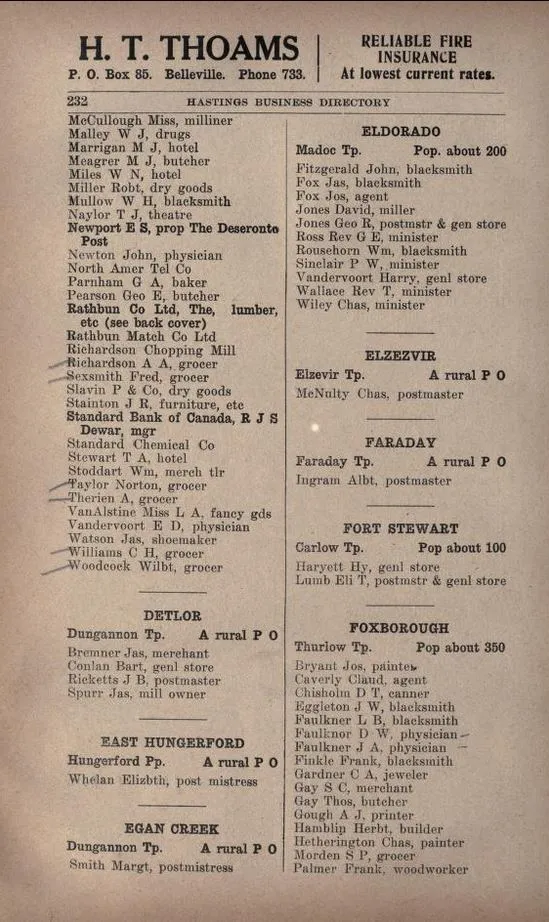
Photo: Deseronto Archives, No restrictions, via Wikimedia Commons
For American buyers, sourcing from Japanese-owned companies in the United States can feel like navigating without a map. Company websites are often minimal, LinkedIn presence is spotty, and a Google search may surface little beyond a mailing address. Yet a robust verification ecosystem does exist—it simply lives in places most American procurement professionals have never thought to look.
Why Directories Matter More in Japanese Business Culture
In Japanese commercial practice, being listed in the right registry is itself a signal. Membership in a chamber of commerce with Japanese roots, or inclusion in a consular or industry directory, implies a level of formality and accountability that a bare-bones website cannot convey. Japanese firms tend to join these bodies selectively; a listing suggests the company intends to operate transparently within its community, not disappear after a bad quarter.
For buyers, this cuts both ways. A listing is a useful positive signal. Its absence is not automatically disqualifying—but it warrants a closer look.
The Five Resources Worth Bookmarking
1. JETRO's North American resources. The Japan External Trade Organization maintains offices in major US cities and publishes supplier and investor information, particularly for manufacturers and food exporters entering the American market. Its staff can often confirm whether a company is an established operation or a recent entrant.
2. The Japan-US chambers and business associations. Organizations such as the Japan-America Societies and regional Japanese chambers—active in Los Angeles, Chicago, New York, Houston, and Seattle—maintain member directories. For food and beverage buyers especially, these chambers are where importers, distributors, and restaurant-group suppliers cluster.
3. Japan's Ministry of Justice corporate registry (via commercial registry extracts). Any genuine Japanese parent company will have a registered corporate number. US subsidiaries can typically be verified through state Secretary of State business filings—always confirm the entity's standing, registered agent, and incorporation date before signing anything.
4. Industry-specific directories and trade fair catalogs. Sectors like food service publish exhibitor and member lists—think of the vendor rosters from major US Japanese-food trade events and specialty import associations. Cross-referencing a supplier's claims against these catalogs quickly reveals who actually moves product at scale.
5. Consulate and embassy commercial sections. Japanese consulates across the US maintain contacts with the local business community. While they do not endorse companies, their economic staff can often tell you whether an organization is known and active in the region.
How to Actually Run a Verification
A practical workflow for a procurement manager: start with the state-level corporate registry to confirm legal standing. Then check directory and chamber listings to gauge community tenure. Request references from other American buyers—a legitimate Japanese-owned firm will happily provide them, as reputation within the community is a core asset. Finally, ask about the company's relationship with its Japanese parent or suppliers; established firms can usually describe their sourcing chain in specific detail, while shell operations cannot.
Reading the Signals Correctly
Understand the cultural context behind the paperwork. A Japanese-owned distributor that has quietly held the same chamber membership for twenty years, exhibits at the same trade shows annually, and answers inquiries in formal, careful English is exhibiting exactly the behavioral profile that Japanese business culture rewards. Longevity and restraint, not aggressive marketing, are the markers of a reliable partner.
Conversely, a company that promises impossibly fast scale-up, lacks any directory footprint, and pushes for immediate payment terms deserves heightened scrutiny regardless of how polished its pitch deck appears.
For buyers willing to learn where to look, the Japanese business ecosystem in America is far more transparent than it first appears—the map just isn't printed in English-first publications.