Shelf Space Is Not a Strategy: How Japanese Food and Beverage Brands Navigate American Distribution

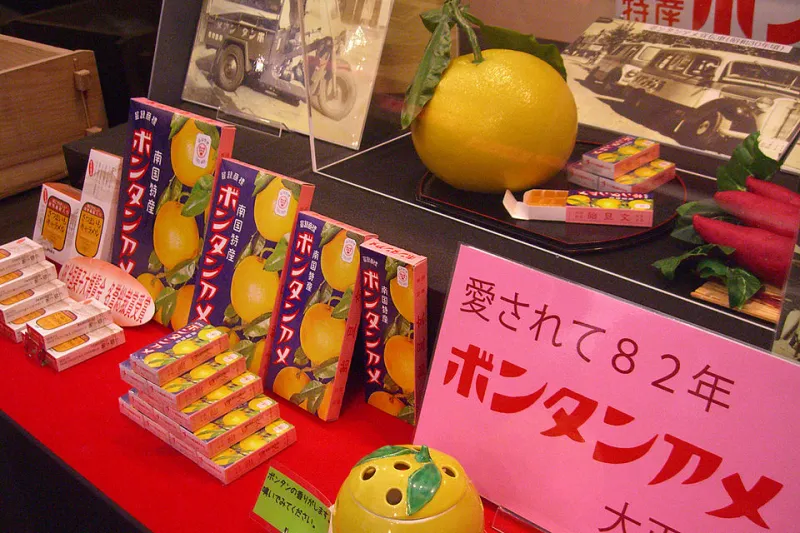
Photo: Auckland Museum Collections from Auckland, Aotearoa New Zealand, CC BY 2.0, via Wikimedia Commons
A Japanese food brand entering the United States often begins with a reasonable assumption: if the product sells well in Tokyo, Osaka, or Fukuoka, American retailers will want it. The assumption is not wrong, but it is incomplete. The American grocery and beverage system is not a single market. It is a set of regional fiefdoms, state regulations, distributor relationships, and category gatekeepers. Shelf space is not a strategy. It is the result of navigating that system correctly.
The Three-Tier Hangover and State-by-State Rules
Alcohol remains the clearest example of American fragmentation. Saké, like wine and spirits, generally moves through a three-tier system of supplier, distributor, and retailer. The details vary by state. Some states control liquor sales directly. Others allow private distribution but require registration, labeling approvals, and fee schedules. A saké brand that succeeds in California may find that New York requires a different importer, a different label, and a different set of relationships.
Food products face a different but equally regional patchwork. State agricultural departments, health inspections, and labeling rules matter. So do retailer requirements, which are private but no less binding. A snack brand may clear federal Food and Drug Administration requirements and still be rejected by a regional grocer because its packaging does not scan well, its case pack is wrong, or its margin is too thin.
The Importer as Gatekeeper
For most small Japanese food and beverage brands, the first real American partner is an importer. The importer handles customs, food safety documentation, warehousing, and often the initial sales relationship with distributors. A good importer does more than move boxes. It knows which distributors care about Japanese categories, which retailers are testing new saké listings, and which trade shows actually produce orders.
Importers are not interchangeable. Some specialize in Asian grocery channels. Some focus on natural foods. Some handle alcohol only. Some will take exclusive rights for the entire United States, while others work region by region. A small brand that signs an exclusive national agreement with the wrong importer can find itself locked out of the very regions where demand is strongest.
The Wholesaler and the Regional Grocer
Below the importer sits the distributor or wholesaler. In food, these range from broadline distributors serving national chains to specialty wholesalers focused on Asian, natural, or gourmet categories. In alcohol, the distributor is legally required in most states and often holds significant power over which brands reach which accounts.
Regional grocers are the next gate. A Japanese snack brand may find a warm welcome at a West Coast Asian grocery chain, a cautious test at a natural foods retailer, and a closed door at a mainstream supermarket until it can prove velocity elsewhere. Mainstream retailers want proof that the product sells without heavy discounting. That proof usually comes from smaller chains, independent grocers, or online sales.
The Intermediaries Who Make It Work
Between the brand and the shelf sits a layer of service providers that rarely appears in a founder's business plan. Food brokers introduce products to buyers and manage the relationship after placement. Merchandisers visit stores to check displays and restock shelves. Demo agencies run sampling programs, which are often essential for unfamiliar Japanese products. Compliance consultants handle labeling, ingredient statements, and organic or kosher certifications. Co-packers and cold-storage warehouses handle production and logistics.
These intermediaries are the practical infrastructure of the American food trade. A saké brand may need a state-licensed importer, a temperature-controlled warehouse, and a distributor with a strong restaurant book. A miso or furikake brand may need a broker with Asian grocery relationships and a co-packer that can produce small batches. A ready-to-drink tea brand may need a beverage co-packer, a shelf-stable logistics partner, and a marketing agency that understands American retail promotions.
Why Small Brands Fail
The most common mistake is treating a national retailer's interest as a victory. A purchase order from a large chain can be a cash-flow trap. Slotting fees, promotional allowances, chargebacks, and return policies can consume the margin a small Japanese maker thought it had. A brand that ships too much too soon may find itself financing a retailer's inventory rather than building a business.
The second mistake is underpricing. Japanese products are often made with costly ingredients and careful packaging. American buyers may compare them to lower-cost domestic alternatives. The brand must decide whether to compete on price, which is difficult, or on authenticity and quality, which requires marketing investment and patient retail partners.
The Directory Case
A regional directory of food-trade services would not eliminate these risks, but it would reduce the cost of learning them. Today, a Japanese food maker looking for an importer in the Midwest or a saké distributor in Texas relies on trade show contacts, consultant recommendations, and trial and error. A buyer at a regional grocery chain faces the same problem in reverse: finding credible Japanese brands and the service providers that support them.
Kadouya Directory can serve both sides by listing importers, distributors, brokers, co-packers, compliance consultants, and demo agencies by region and category. The value is not only convenience. It is accountability. A listed provider with a verifiable address, category focus, and client references is easier to evaluate than a business card collected at a trade show.
A Buyer's Checklist
For newcomers, the first questions should be practical. Does the importer have experience with this specific category? Which states does it cover? Does it hold the required licenses? Can it provide references from brands of similar size? What are the payment terms? Who handles chargebacks? For alcohol, the brand should confirm the importer's and distributor's state registrations before signing anything.
For buyers, the checklist runs in the other direction. Does the brand have stable production capacity? Can it meet case-pack and labeling requirements? Does it have a US food safety contact? Is the pricing sustainable after freight and duties? A directory that captures these details in a consistent format would save both sides time.
The American market rewards Japanese food and beverage brands that treat distribution as a discipline, not a destination. The products are often excellent. The difference between a successful launch and an expensive lesson is usually the quality of the intermediaries and the honesty of the plan.